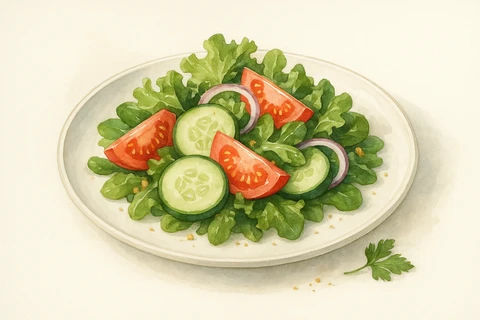
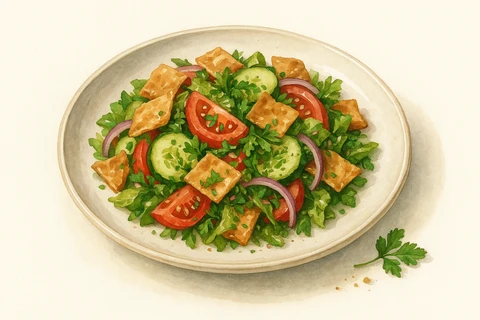
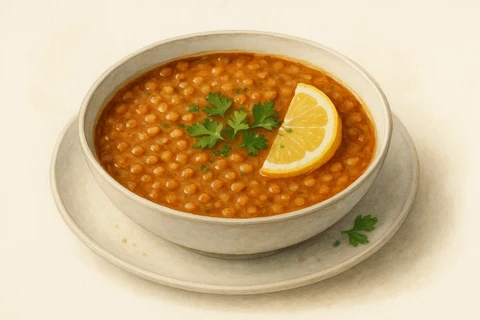
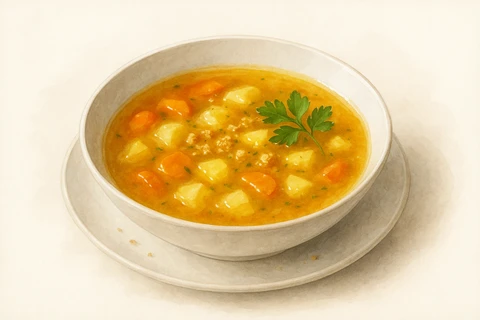
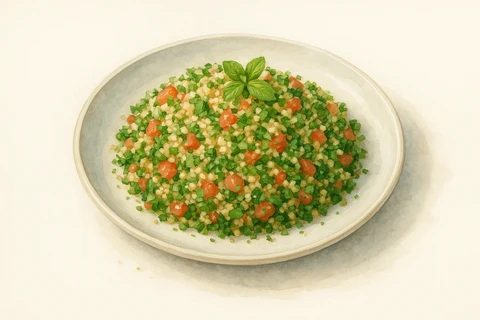
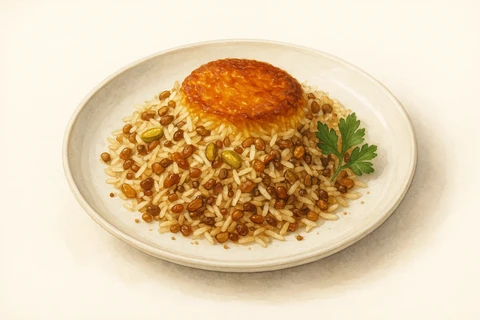
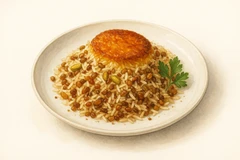
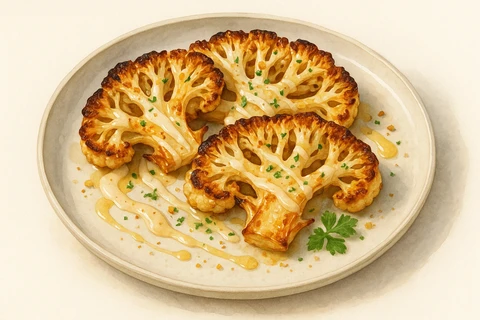
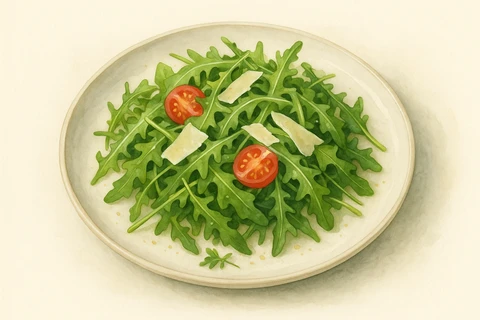
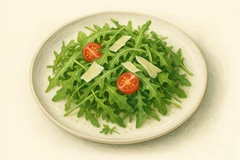
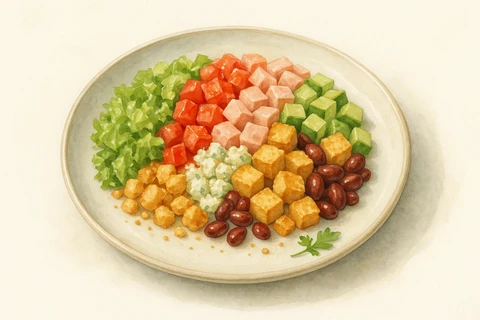
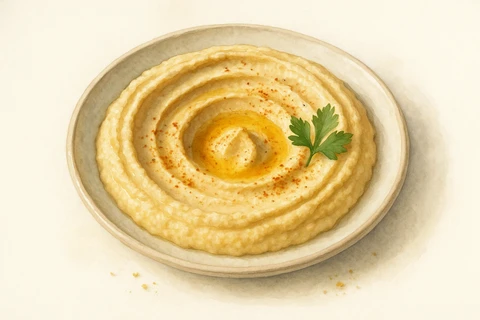
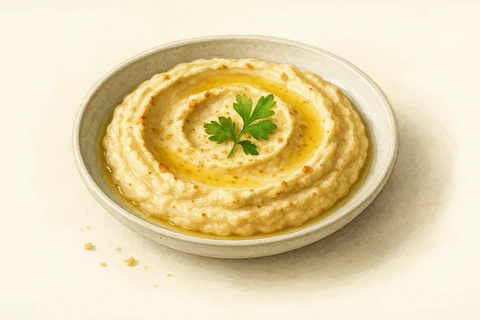
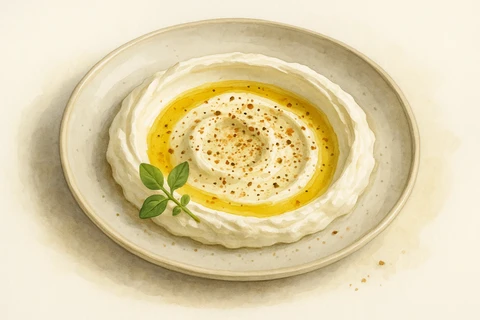
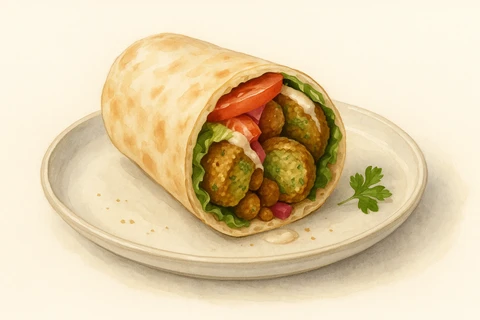
Freshness is part of the recipeA plate of tabbouleh is a great example of how much Lebanese cooking depends on freshness. It is not simply a grain salad. At its best, it is herb-forward, lively with lemon, and balanced by tomatoes, green onion, and a touch of olive oil. The ingredients are familiar, but their proportions and preparation make the difference. The same is true of hummus. The essentials are simple: chickpeas, tahini, lemon, garlic, and olive oil. Yet texture, acidity, and the quality of each ingredient can turn a basic dip into something memorable. From-scratch cooking honors that difference. It lets the ingredients speak clearly and gives diners a meal that feels cared for from the first bite. Lebanese Food Is Naturally Inclusive, With a Few Caveats People often assume is automatically safe for every dietary need. It can be a wonderful option, especially for vegetarians and people seeking vegetable-forward meals, but it depends on the kitchen and the recipe. Many familiar dishes are naturally vegan or easy to make vegan, including hummus, baba ghanoush, falafel, lentil soups, salads, stuffed grape leaves, and roasted vegetables. Other dishes may contain yogurt, butter, cheese, eggs, or meat. A traditional recipe is not less meaningful because it is adapted thoughtfully, but the adaptation should be transparent and intentional. Gluten is another important consideration. Bulgur is traditional in tabbouleh and kibbeh, and conventional pita contains wheat. Cross-contact can also happen in kitchens where flour is used widely. For someone with celiac disease, a wheat allergy, or a serious sensitivity, asking whether a dish is gluten-free is only the first step. It matters whether the preparation space, fryers, sauces, and baked goods are also managed with care. . It may appear in packaged sauces, processed proteins, or ingredients that do not seem connected to Lebanese cooking at all. Diners with allergies deserve clear answers, not guesswork. The same goes for sesame, a cornerstone of tahini and a common allergen. Inclusive hospitality means making delicious choices available while communicating honestly about what each dish contains. At Levant Los Angeles, those standards are part of the meal from the beginning. The menu is fully gluten-free, soy-free, , with vegetarian, vegan, and allergy-friendly options designed so diners can enjoy Levantine-inspired food with greater peace of mind. The Building Blocks of a Lebanese-Inspired Meal a nourishing Lebanese-style meal does not need to be complicated. Think in layers of texture and flavor: something creamy, something crisp, something warm, something herbal, and something bright with acid. That is how a table feels abundant even when the ingredients are straightforward. Start with a dip such as hummus or baba ghanoush. Add a fresh salad with herbs, tomatoes, cucumber, lemon, and olive oil. Bring in a warm element, perhaps roasted cauliflower, seasoned potatoes, lentils, or grilled vegetables. Then add a protein that suits the table, from chickpeas and falafel to chicken or fish if that is part of your diet. The bread question deserves attention, especially for gluten-free diners. Pita is deeply associated with Lebanese food, and there is real comfort in using it to scoop a dip or wrap a filling. Still, a meal does not depend on wheat to feel complete. Gluten-free flatbreads, crisp vegetables, rice, or simply a fork can carry those same flavors beautifully. The goal is not to force a substitute into every tradition. It is to preserve the joy, generosity, and balance of the meal